How To Train a Reactive Dog: 3 Steps to Calmness and Control
admin
February 23, 2026
How to Train a Reactive Dog: 3 Steps to Calmness and Control

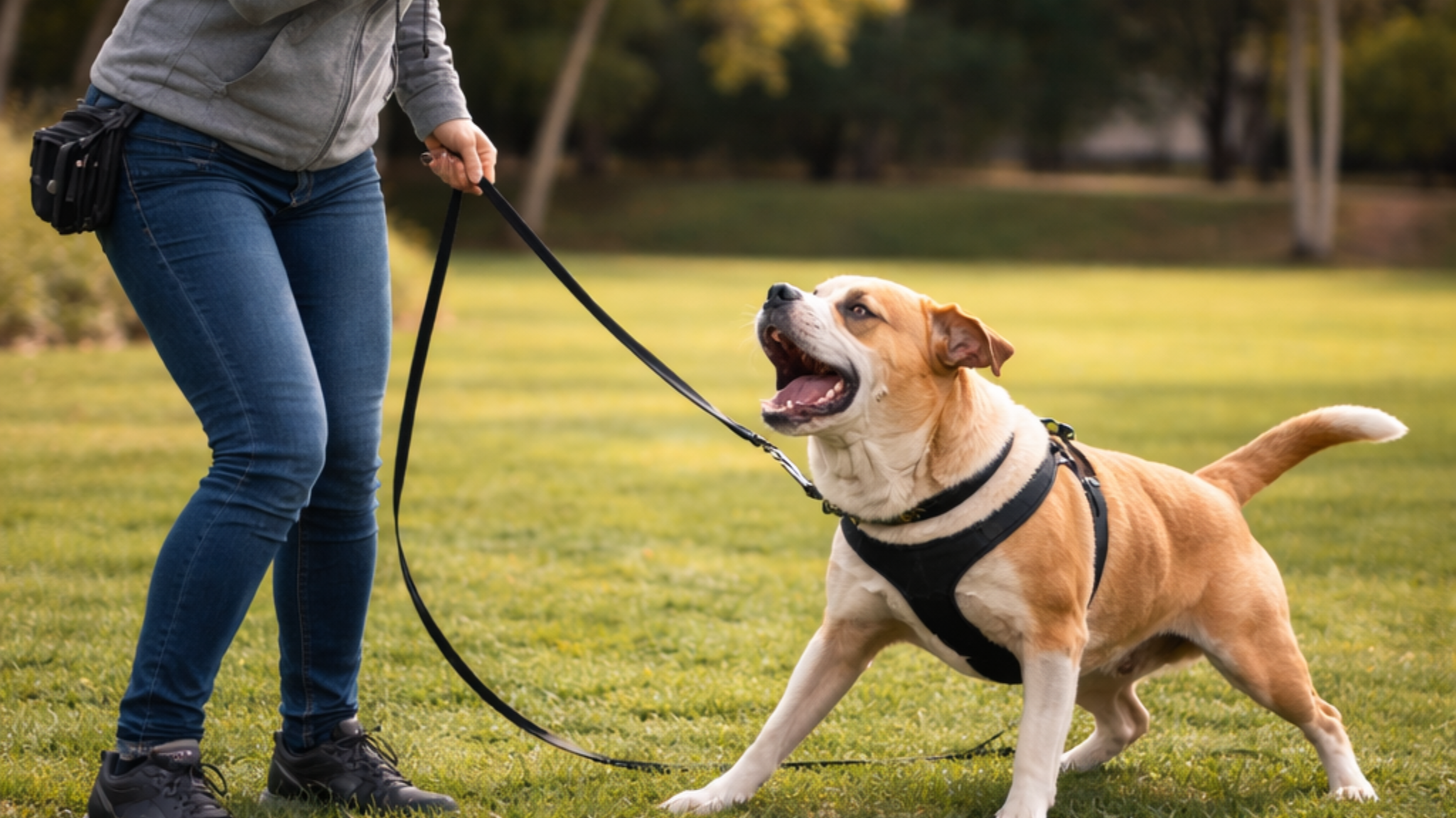
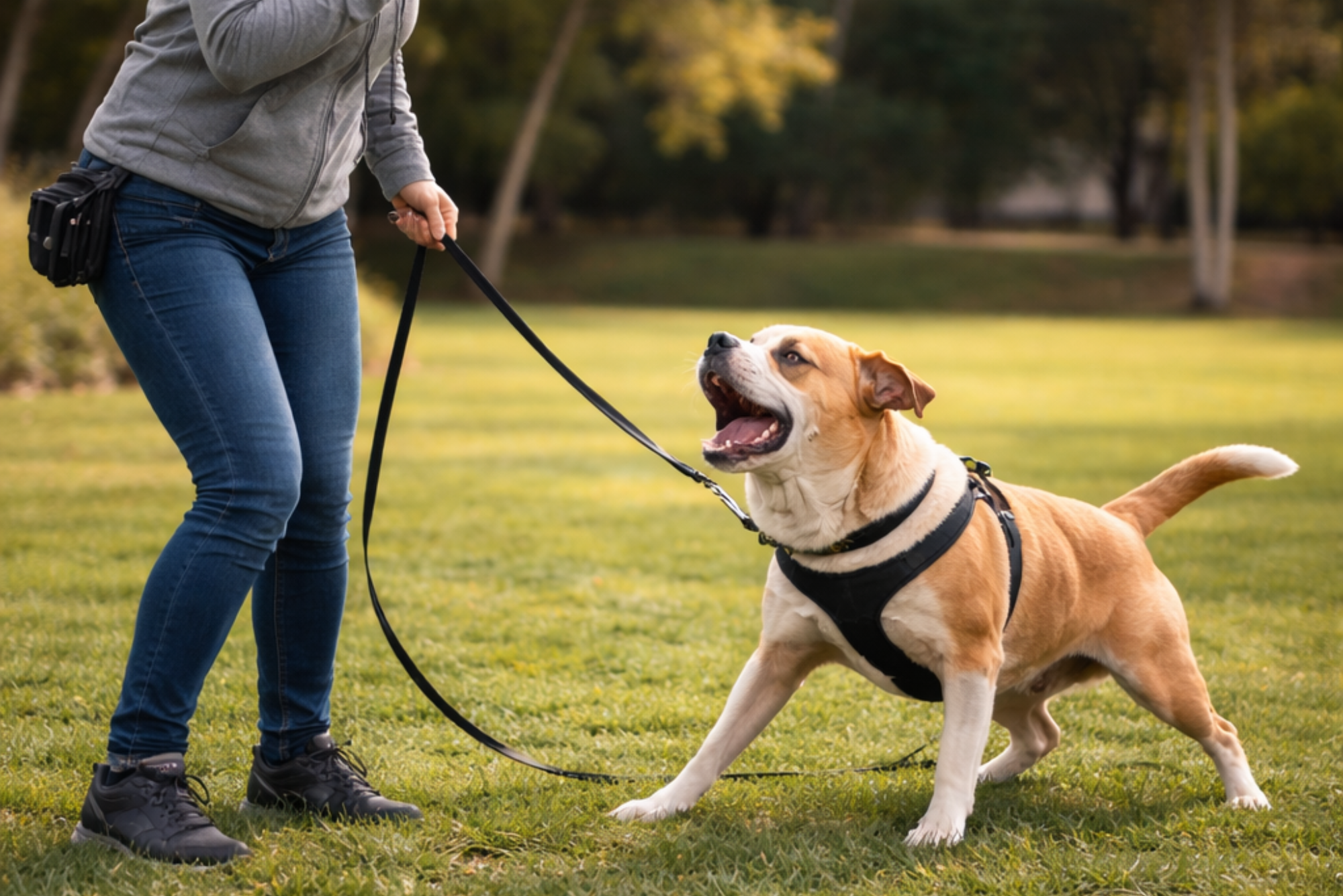
Living with a reactive dog can be stressful — walks feel tense, and your dog’s outbursts can seem unpredictable and embarrassing. Reactive dog training helps you understand why your dog is overreacting and gives you clear steps to build more calm and control on your walks. This guide breaks down three simple paths you can follow: helping fearful dogs, redirecting frustrated dogs, and knowing when to call a professional.
Why is my dog reactive?
Dogs usually become reactive for one of three main reasons:
- He is fearful (under-socialized or nervous dogs often bark or lunge to make things go away).
- He is frustrated (he wants to say hi or get closer but feels held back by the leash).
- He is truly aggressive (this is less common; many “aggressive” dogs are actually fearful).
Each case needs a slightly different training approach, but they all benefit from clear structure, consistent handling, and calm, patient practice.
Step 1: Training the fearful reactive dog
Fearful or insecure dogs need gradual exposure and structure so they can feel safe again.
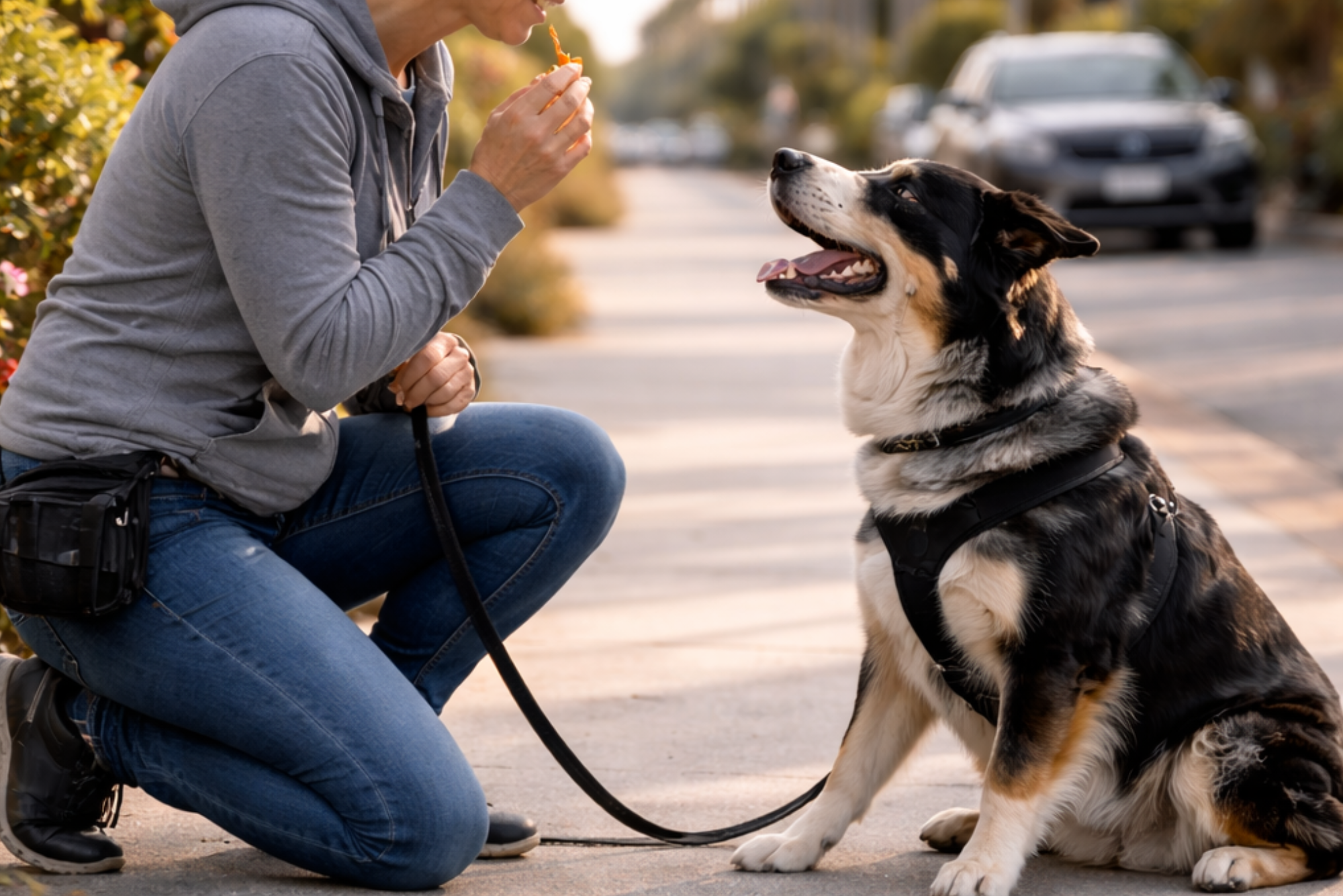
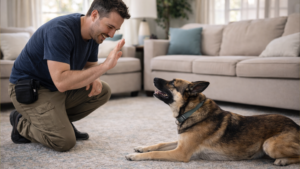
Start with 1–2 basic skills such as “sit,” “watch me,” or “heel” in a quiet environment.
Take your dog to calm locations with mild triggers (for example, a quiet shopping center instead of a busy dog park) and practice those basics there. This builds confidence and teaches him that he can succeed around triggers.
Use distance as your best tool: stay far enough away that your dog notices the trigger but isn’t exploding. If he reacts, you’re too close; add more space.
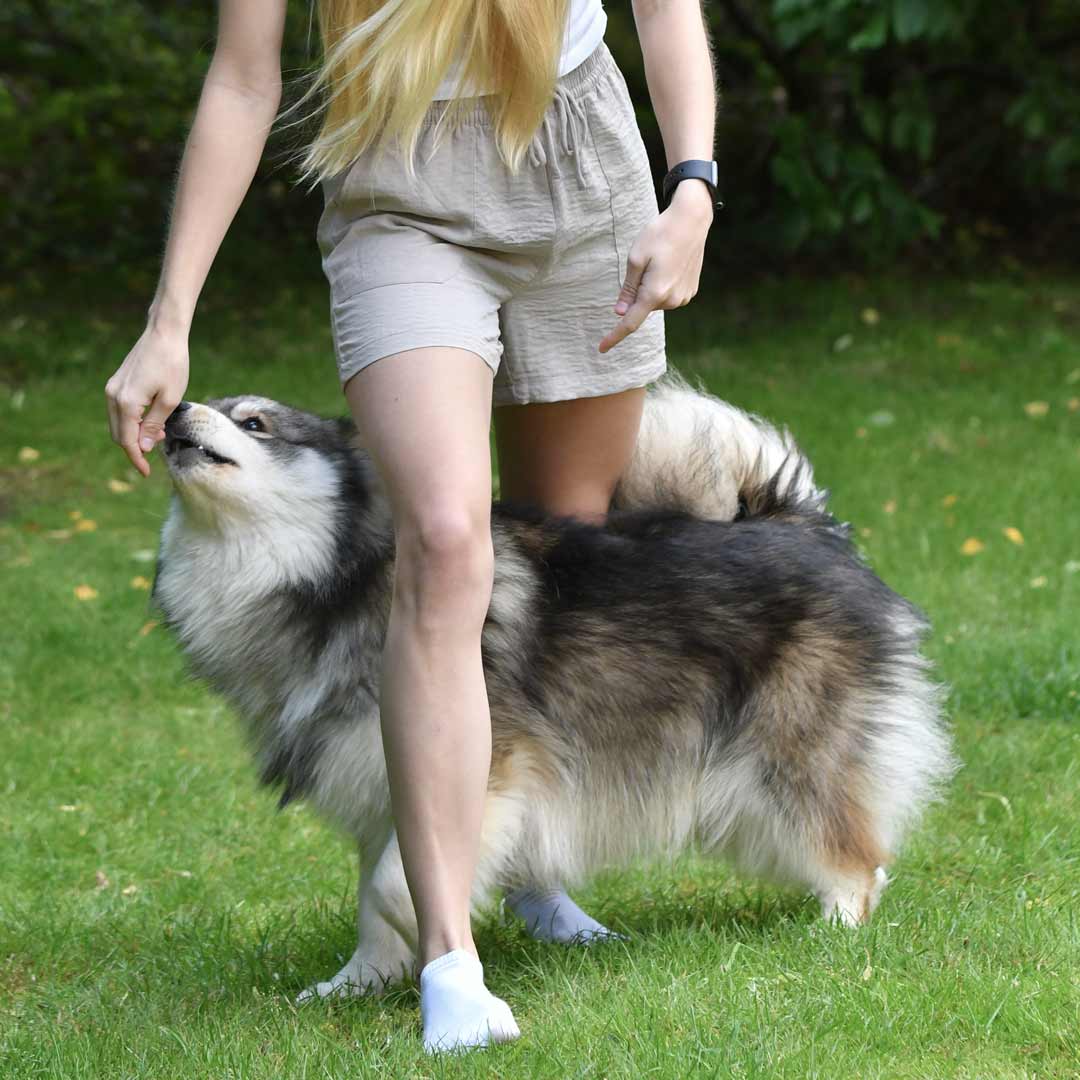
Keep the leash loose and your dog close to you. Tension on the leash often increases tension in his mind and can make reactivity worse.
End the session while he’s still doing well rather than pushing him until he has a meltdown. Short, successful sessions add up.
Step 2: Training the frustrated reactive dog
Frustrated dogs often pull toward everything and everyone because they’re excited and want to engage.
Teach a clear “leave it” cue so your dog learns that he doesn’t need to investigate every dog or person he sees.
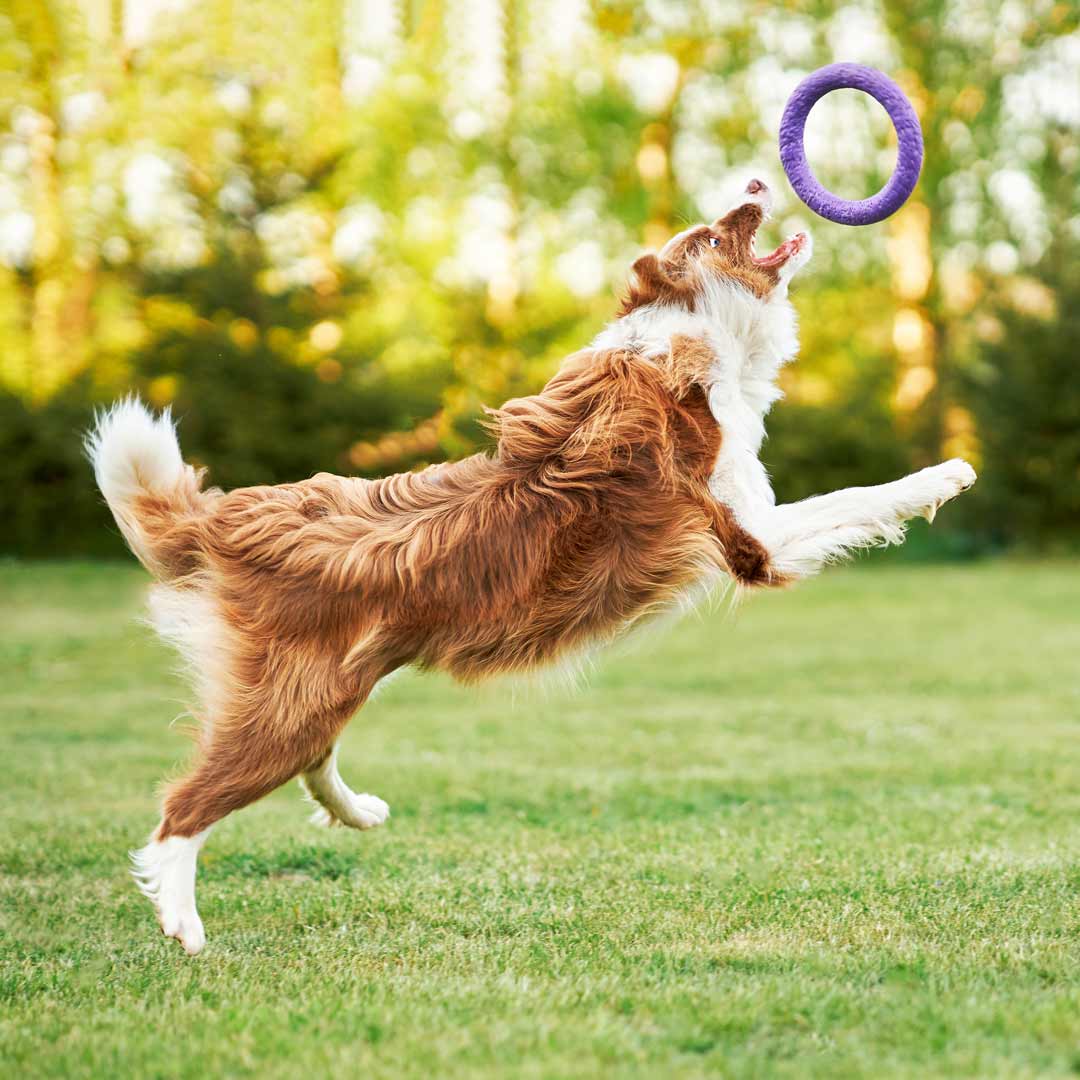
Bring a tug toy or favorite reward on walks. When he spots a trigger, tell him “leave it,” then immediately engage him in play or reward when he turns his attention back to you.
Keep him close on a loose leash. If he pulls toward something, stop and wait until the leash is slack again before moving forward. This teaches him that pulling does not get him closer.
Build a habit of asking permission before greeting: have him sit and check in with you before meeting another dog or person, and only allow greetings when he is calm.
Remember that he doesn’t need to say hi to every dog. Skipping interactions often prevents frustration and keeps him more focused on you.

Step 3: When to call a professional
Some reactive dogs, especially those showing signs of true aggression (biting, repeated attempts to bite, or uncontrollable outbursts), need hands-on help.
Consider working with a professional trainer if your dog’s behavior feels unsafe, keeps getting worse, or you feel overwhelmed.
A trainer can help you read your dog’s body language, set up safe practice scenarios, and build a step-by-step plan tailored to your dog and environment.
For dogs who struggle most around your home, guests, or neighborhood walks, our In-Home Dog Training brings a trainer right to your environment.


Local support in Orange County
If you’re in Huntington Beach or anywhere in coastal Orange County and need guidance in rehabilitating your reactive dog, we’re here to help with personalized reactive dog training programs.
Next Steps
If you’d like help creating reliable training that lasts, our Beachside trainers are here to support you.
• Still not sure what your dog needs? Visit our Dog Training FAQ to learn what kind of results to expect and how long solid obedience takes.
• Contact our Beachside team and we’ll help you choose the right training program for your dog.
Learn & Explore More
• Read our full Dog Training Services Guide to see how we help with reactivity, aggression, leash skills, and more.
• Learn How to Motivate Your Dog During Training here.
• If you need hands-on help with reactivity or aggression, check out our Private Training options in Huntington Beach and Orange County.
Subscribe Our Newsletter
Stay connected with us for training tips, updates, and real progress from dogs across Orange County.
Beachside Dog Training — Calm, reliable dogs. Confident owners.
Huntington Beach facility
(partner: Splash Premier Pet Resort)
Serving HB, Fountain Valley, Costa Mesa, Newport Beach, Westminster, Irvine, and nearby OC/LA.
Quick Link
Useful Links
Contact Info
- 17052 Gothard St, Huntington Beach, CA 92647
- (714) 702-5024
- hello@beachsidedogtraining.com
Instagram Post


Developed by Webdevsters
Copyright © 2025. All rights reserved.