
How to Stop Leash Pulling and Build Better Leash Manners
admin
April 14, 2026
How to Stop Leash Pulling and Build Better Leash Manners.
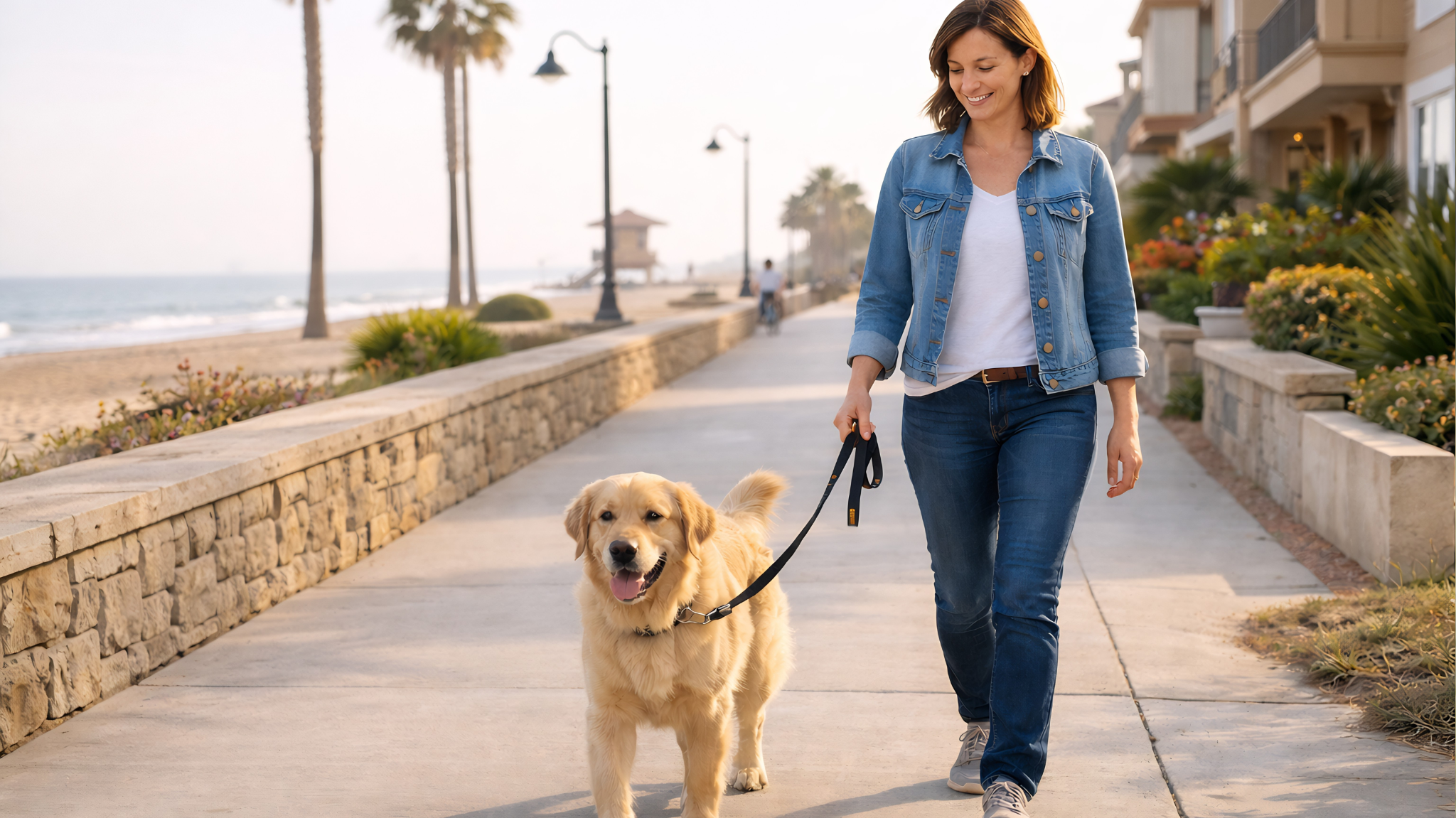
Is it overly dramatic to say that your dog’s leash manners affect your life in a major way? Not at all. For many owners, leash problems do not stay on the leash. They spill into daily routines, social plans, travel, stress levels, and even legal problems.
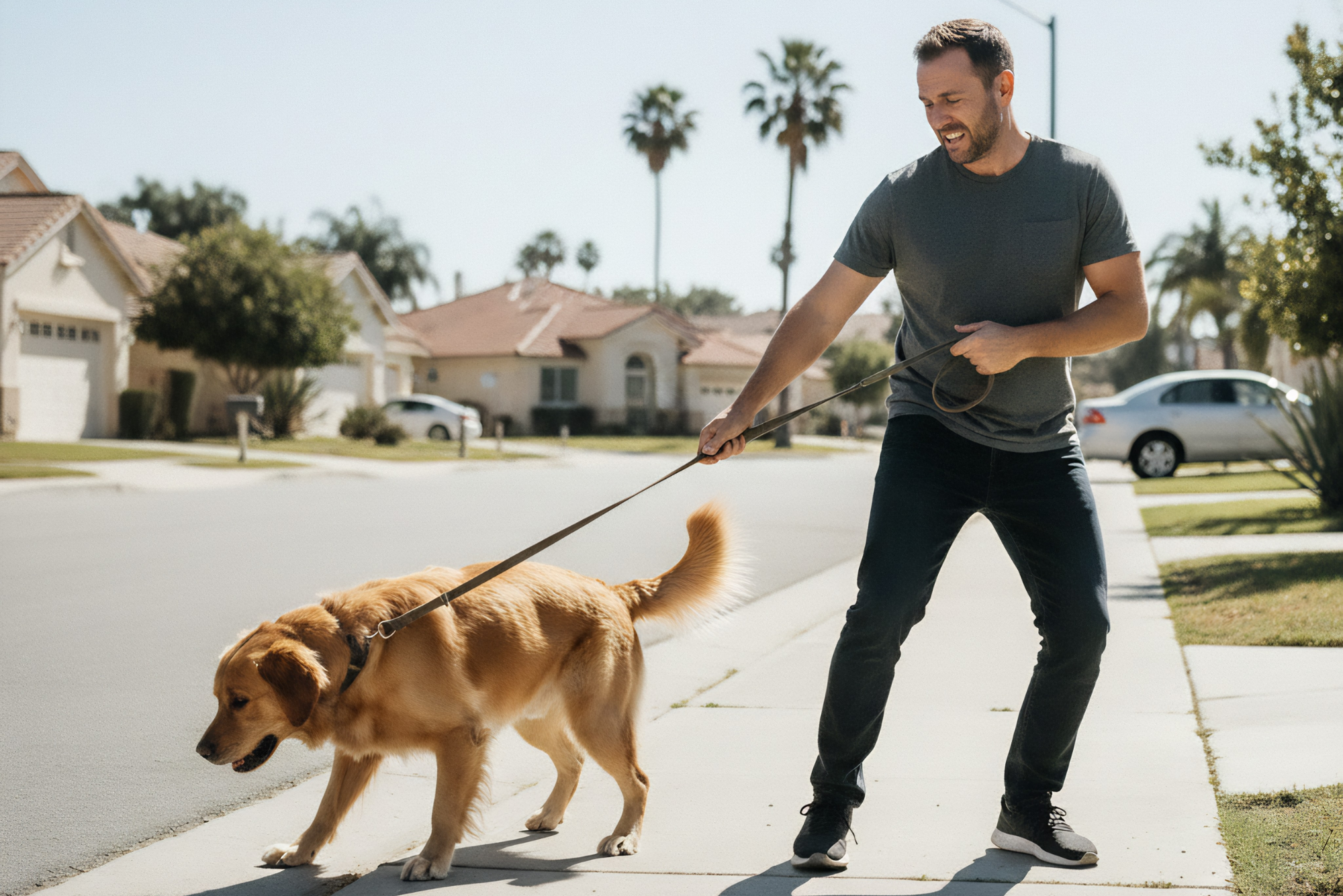
Dogs that are hard to control on walks create real pressure for their owners. People stop enjoying walks. They avoid public places. They start planning their lives around their dog’s behavior. I’ve had clients who only walk their dogs after 10 p.m. to avoid seeing other dogs. I’ve worked with owners who have not taken a vacation in years because they do not feel they can safely leave their dog with a walker or bring the dog along. I’ve also seen situations where poor leash control led to dogs knocking people over, scaring children, or causing incidents that turned into legal headaches.
Most owners want the same thing: to be able to walk their dog wherever they want, without pulling, lunging, barking, or constant tension. They want a dog that can accompany them calmly and happily, staying connected, confident, and under control. The good news is that this is not out of reach. With the right equipment, the right techniques, and enough repetition, leash manners can truly change a dog’s life and the owner’s life too.
Why leash manners matter so much
Leash manners are not just about making a walk look nice. They affect safety, freedom, and peace of mind.
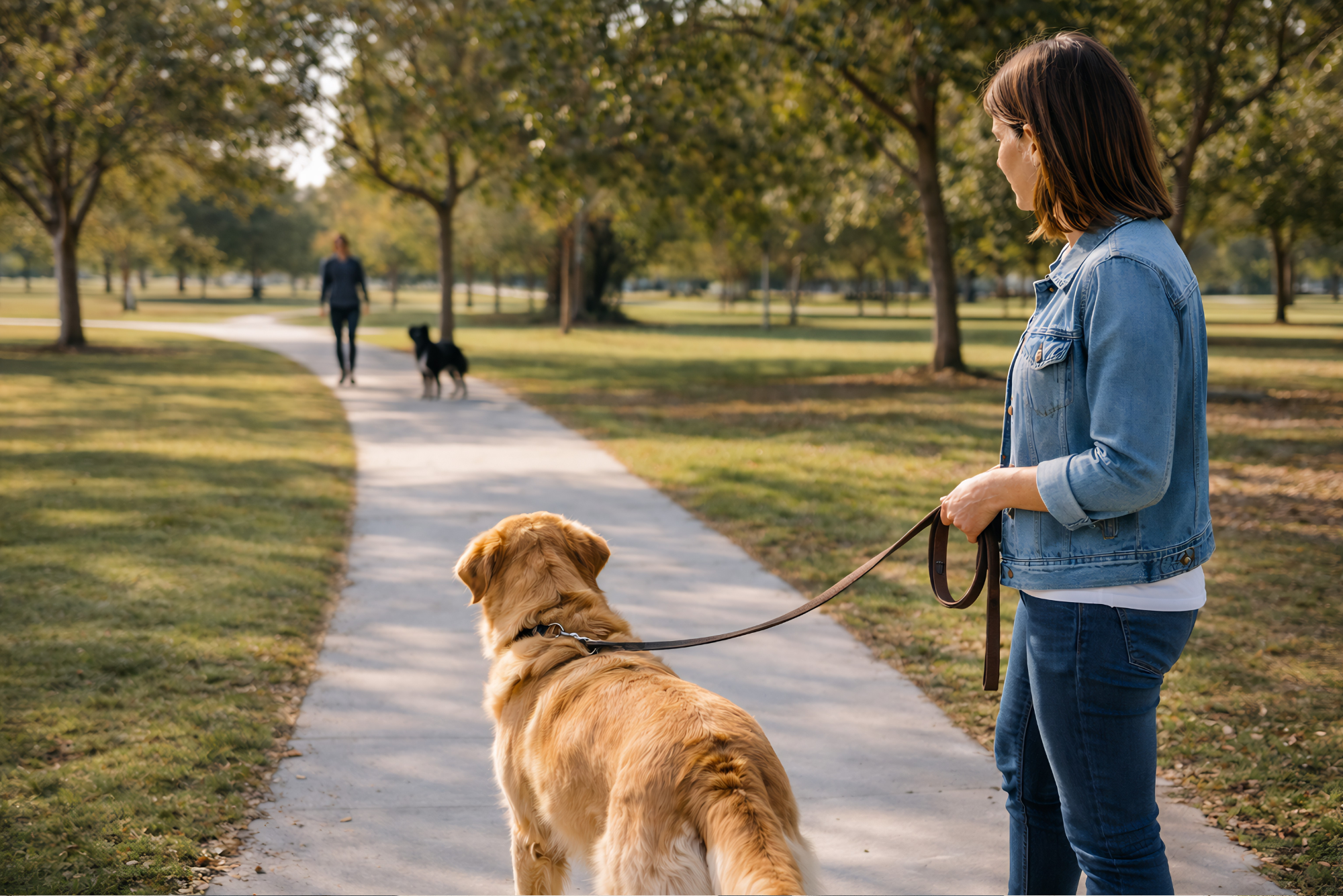
A dog that pulls hard, reacts to other dogs, or becomes overstimulated in public is difficult to bring anywhere. Even simple outings start to feel like work. Something as basic as a walk around the block can become stressful instead of enjoyable. Owners begin avoiding certain neighborhoods, parks, sidewalks, or busy times of day. Over time, that creates frustration on both ends of the leash.
Good leash manners give owners more freedom. They also give the dog more access to the world. A dog that can walk calmly is easier to include in family life, easier to handle in public, and easier to trust in everyday situations.
What causes poor leash behavior?
Leash problems usually do not come from one single issue. In most cases, it is a mix of things.
Sometimes the dog has never been clearly taught how to walk on a leash. Sometimes the equipment does not communicate effectively with that particular dog. Sometimes the owner is accidentally rewarding pulling, forging ahead, or reactivity without realizing it. And in many cases, the dog has practiced bad habits for so long that those behaviors feel normal.
Excitement, anxiety, frustration, lack of structure, and inconsistent handling can all show up on the leash. That is why one-size-fits-all advice often falls short. Two dogs may both pull, but for very different reasons. One may be overstimulated and impulsive. Another may be insecure and reactive. The training approach needs to reflect the dog in front of you.
What does a well-mannered leash walk actually look like?
A good leash walk does not mean your dog has to walk like a robot.
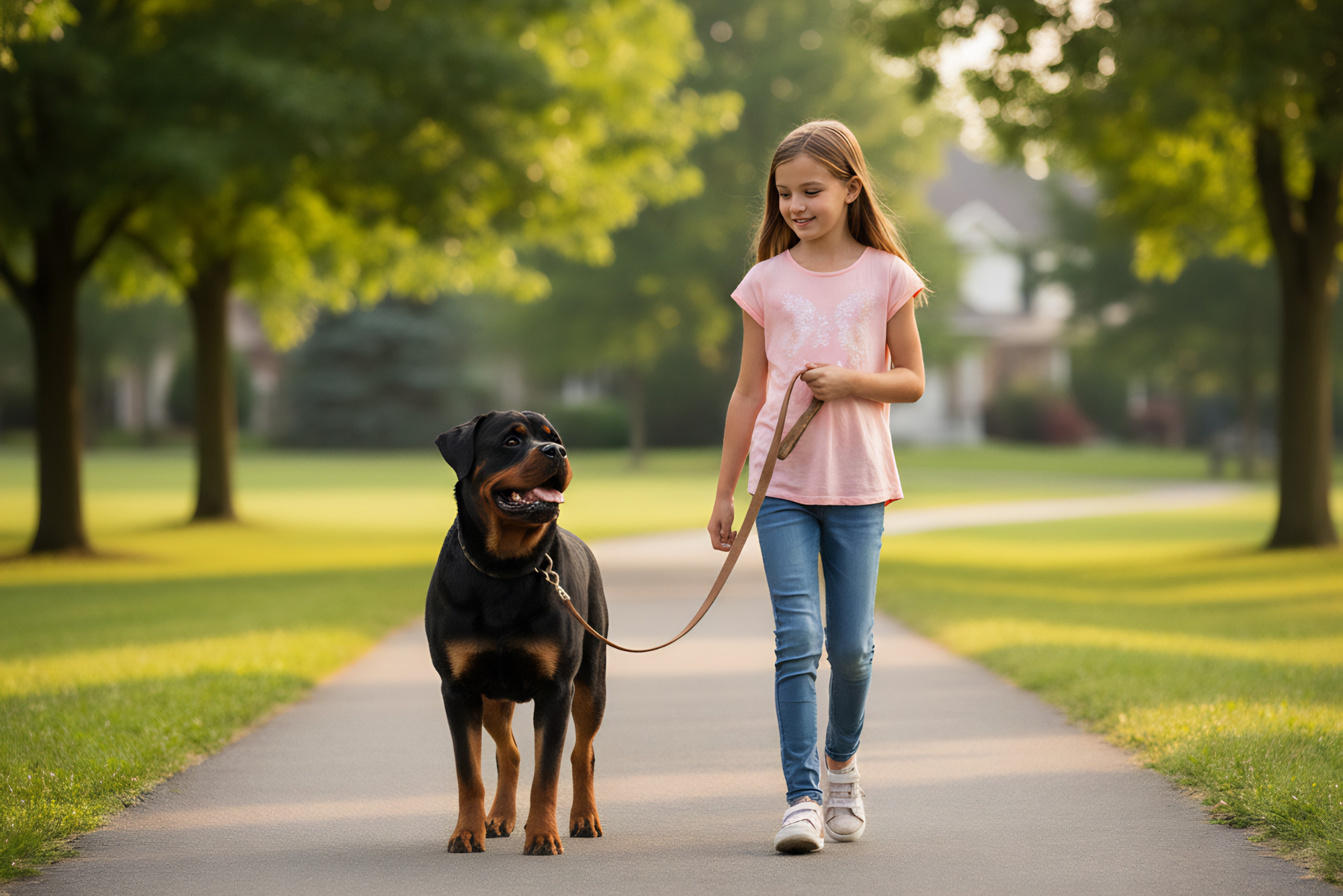
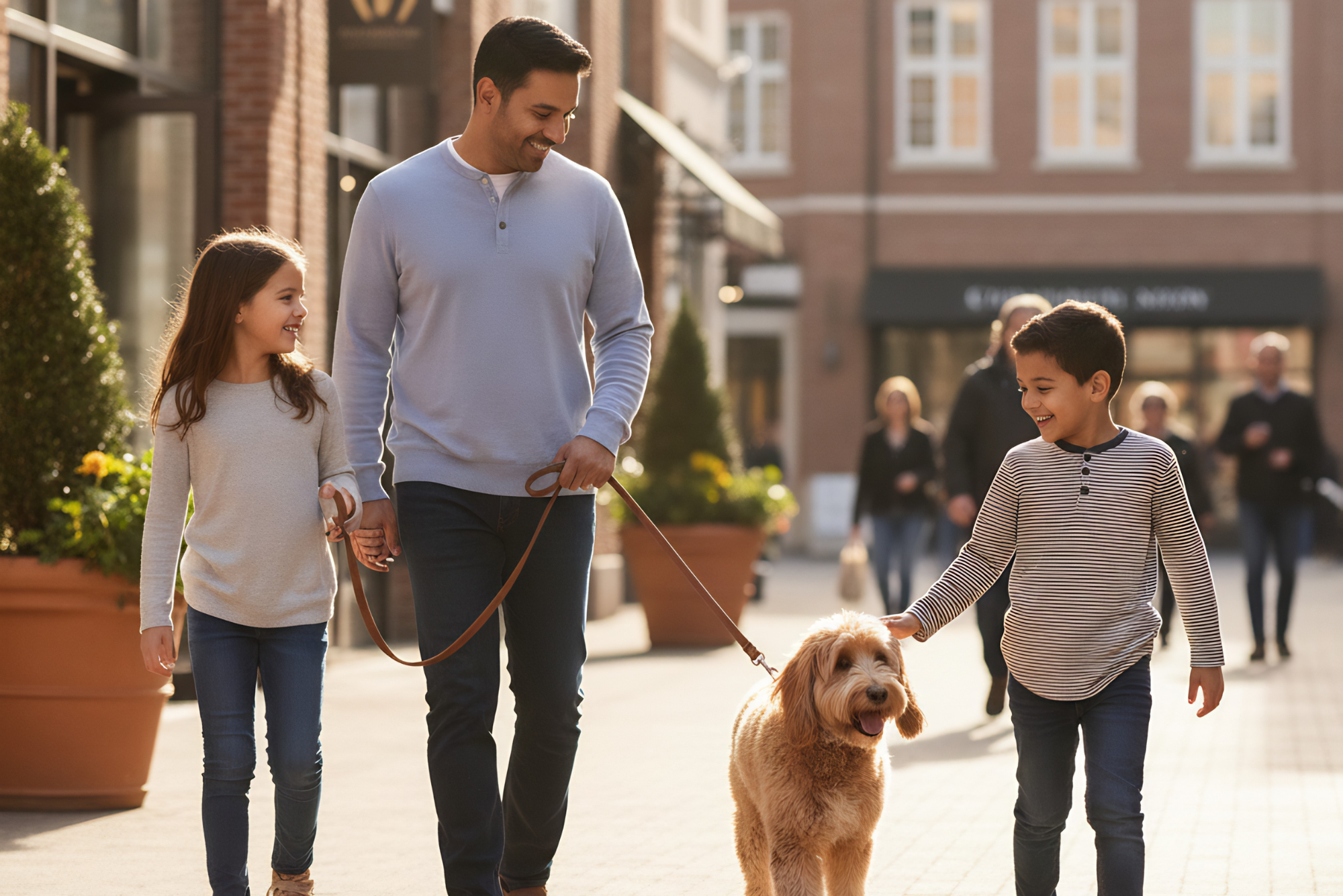
The goal is not perfection. The goal is control, clarity, and calm. Your dog should be able to walk with you without dragging you, scanning for trouble, or exploding every time something passes by. The leash should stay loose most of the time. Your dog should be aware of you, responsive to guidance, and able to move through the world without turning every walk into an event.
That kind of walk feels different. The owner is not tense. The dog is not frantic. Both can relax.
How do you improve leash manners?
This is where things start to change. Better leash manners come from combining effective equipment with clear handling and consistent reps.
For many dogs, some form of training collar is the clearest way to communicate. The best equipment is the one that helps the dog understand pressure, guidance, and boundaries in the most effective and humane way possible. Not every dog responds the same way, so the right fit matters.
But equipment alone is not the answer. Owners also need the right technique. That means learning how to give direction at the right moment, how to stop rewarding bad habits, and how to reinforce calm, correct behavior. Timing matters. Consistency matters. Repetition matters.
Here are a few practical leash training principles that help:
What owners should focus on during training
1. Stop letting the dog rehearse the problem
Every walk matters. If your dog spends every outing pulling, lunging, or tuning you out, that behavior is getting stronger. Training starts by interrupting the old pattern.
2. Be clear, not emotional
Many owners get frustrated and start talking too much, repeating commands, or reacting late. Clear guidance is more effective than emotional correction. Your dog needs consistency, not mixed signals.
3. Reward calmness, not chaos
Do not only react when your dog is doing something wrong. Notice and reinforce the moments your dog is walking calmly, checking in, or staying neutral around distractions.
4. Train for the real world
Leash manners are not built only in the driveway. Dogs need to learn how to walk calmly around real distractions, in real places, with real-life movement going on around them.
5. Put in the reps
This is where many owners either win or lose. Once you understand what to do, you have to do it enough times for the dog to truly learn it. Dogs improve through repetition, not wishful thinking.
What not to do
There are a few common mistakes that keep leash problems going.
- Do not assume your dog will outgrow bad leash behavior on its own.
- Do not switch techniques every few days because you are not seeing instant results.
- Do not let your dog practice pulling for 30 minutes and then expect 5 minutes of training to undo it.
- List And do not use equipment without understanding how to apply it correctly.
The wrong method, even with good intentions, can confuse the dog and frustrate the owner.
When to get professional help
Some leash issues are mild. Others are already affecting daily life in a serious way.
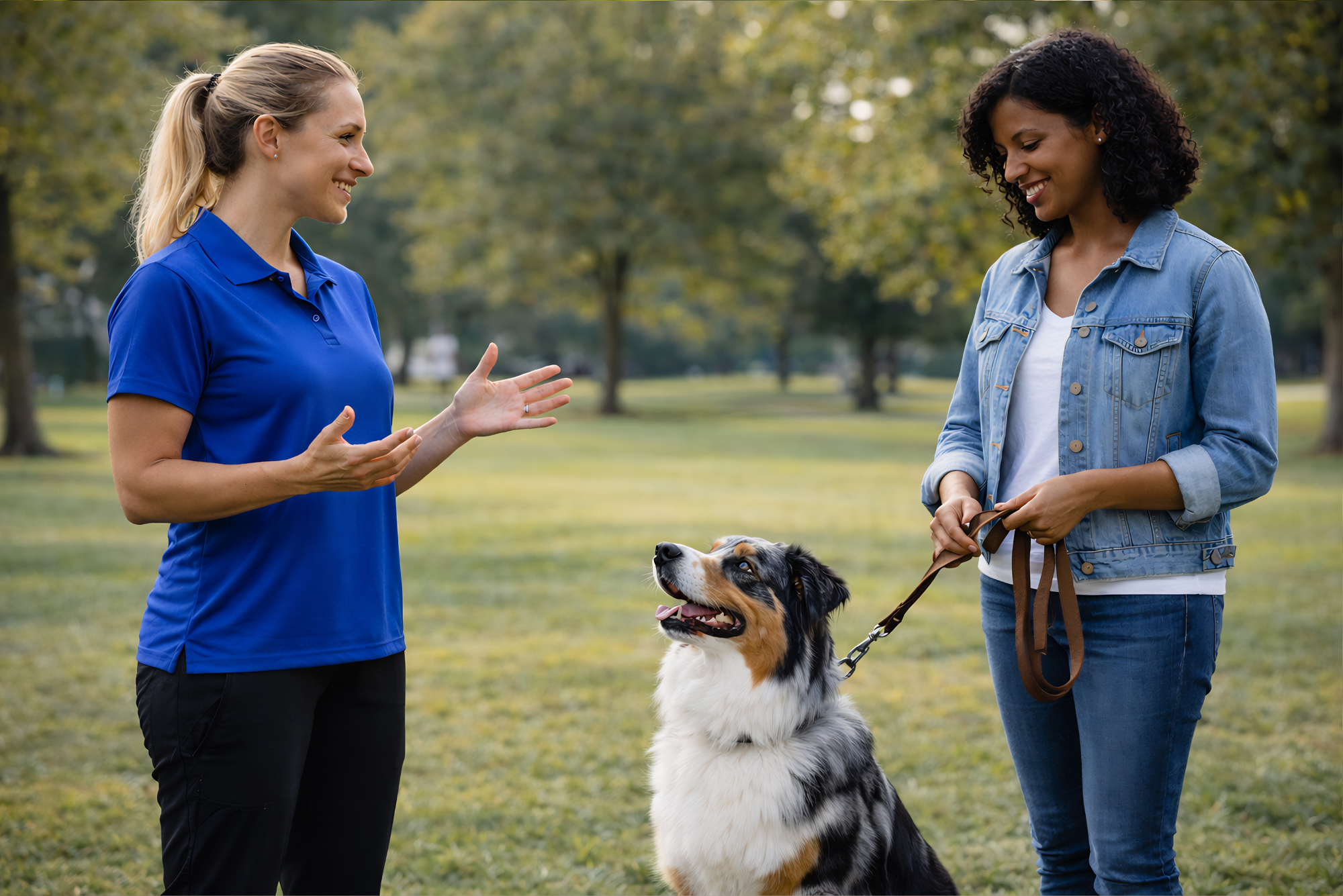
If your dog is reactive, strong, unpredictable, or causing you to avoid normal activities, it is worth getting help sooner rather than later. The longer the problem goes on, the more ingrained it usually becomes. A good trainer can help identify what is actually driving the behavior, choose the right equipment, and show you how to handle your dog in a way that gets real results.
The real payoff of leash training
Leash training is not just about nicer walks. It is about changing what life with your dog feels like.
It means less stress. More freedom. More confidence. More places you can go together. More trust in your dog. And for many owners, it means finally enjoying their dog again in situations that used to feel frustrating or impossible.
That is why leash manners can be life-changing. When owners understand what to do, use equipment that communicates clearly, and commit to the reps, the results can be dramatic. In my experience, just about any dog can improve with the right approach.
If you’d like help with your dog’s training, our Beachside team is here to support you.
Local Dog Training Support in Orange County
If you’re in Huntington Beach or anywhere in Orange County, our trainers can help you build calm, reliable leash manners that make everyday life easier.
Next Steps
If you’d like help creating reliable training that lasts, our Beachside trainers are here to support you.
• Still not sure what your dog needs? Visit our Dog Training FAQ to learn what kind of results to expect and how long solid obedience takes.
• Contact our Beachside team and we’ll help you choose the right training program for your dog.
Learn & Explore More
• Read our full Dog Training Services Guide to see how we build real-world obedience and motivation in Huntington Beach and Orange County.
• If your dog struggles around other dogs, people, or distractions, you can learn more about reactive dog training here.
• Visit our Private Dog Training page to get one-on-one help building a leash manners system for your dog.

Subscribe Our Newsletter
Stay connected with us for training tips, updates, and real progress from dogs across Orange County.

Beachside Dog Training — Calm, reliable dogs. Confident owners.
Huntington Beach facility
(partner: Splash Premier Pet Resort)
Serving HB, Fountain Valley, Costa Mesa, Newport Beach, Westminster, Irvine, and nearby OC/LA.
Quick Link
Useful Links
Contact Info
- 17052 Gothard St, Huntington Beach, CA 92647
- (714) 702-5024
- beachsidedogtraining@gmail.com
Instagram Post



Developed by Webdevsters
Copyright © 2025. All rights reserved.