How to Motivate Your Dog During Training: What Works and What Doesn’t
Many owners struggle with a dog who listens only when food is present or loses interest the moment distractions appear. Motivation is at the core of all reliable dog training, and without it, obedience quickly breaks down. This guide explains what actually motivates dogs, why some methods fail, and how to build a balanced motivational system that creates lasting, dependable training results.
What Motivates Dogs During Training?
Dogs respond to different rewards depending on their personality, breed, and history. Common motivators include:
Some dogs aren’t food-motivated at all. Others care only about a ball, tug toy, or energetic praise. Understanding your dog’s unique reward system is the foundation of effective training.
Are Treats Enough to Motivate a Dog?
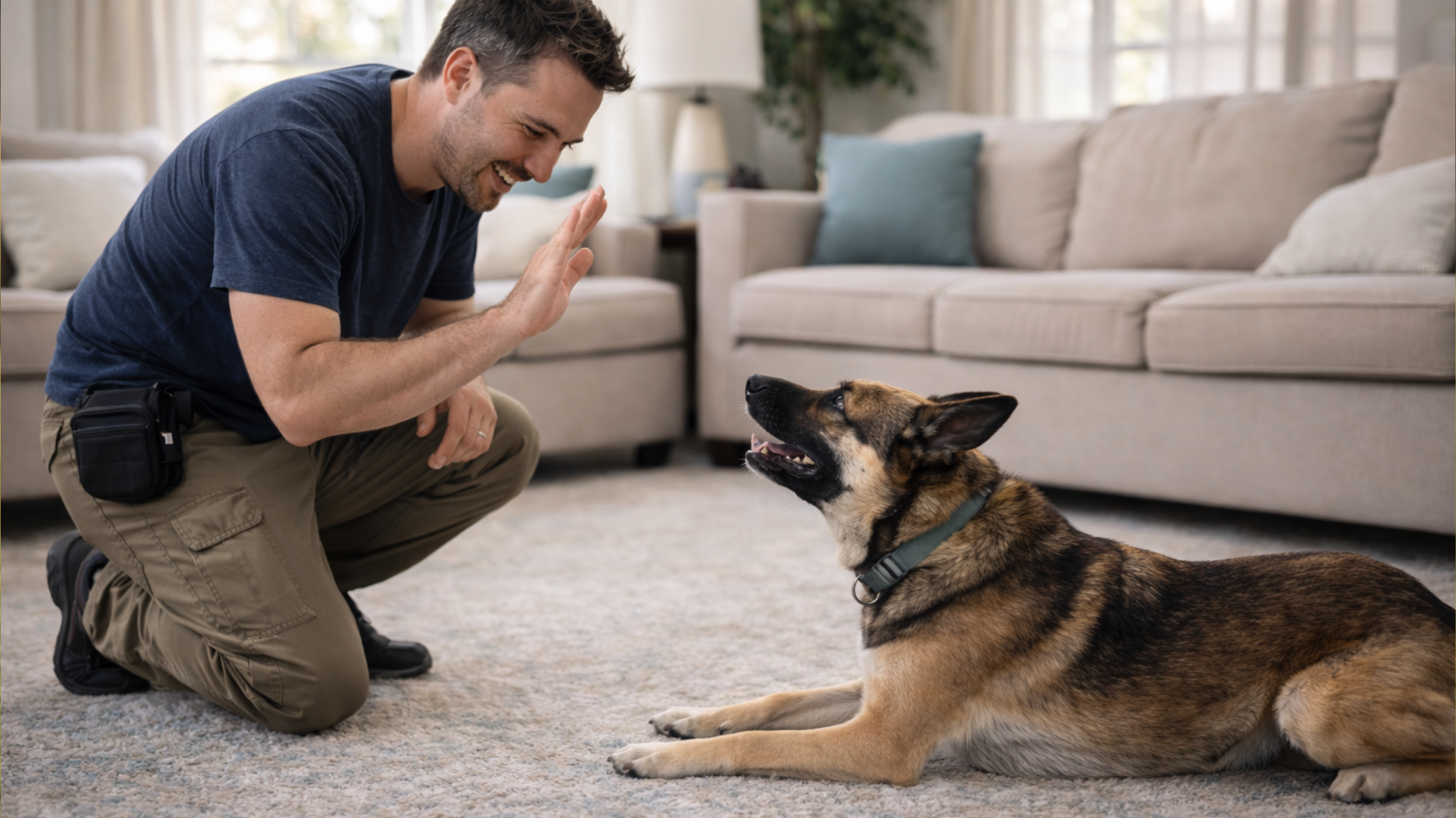
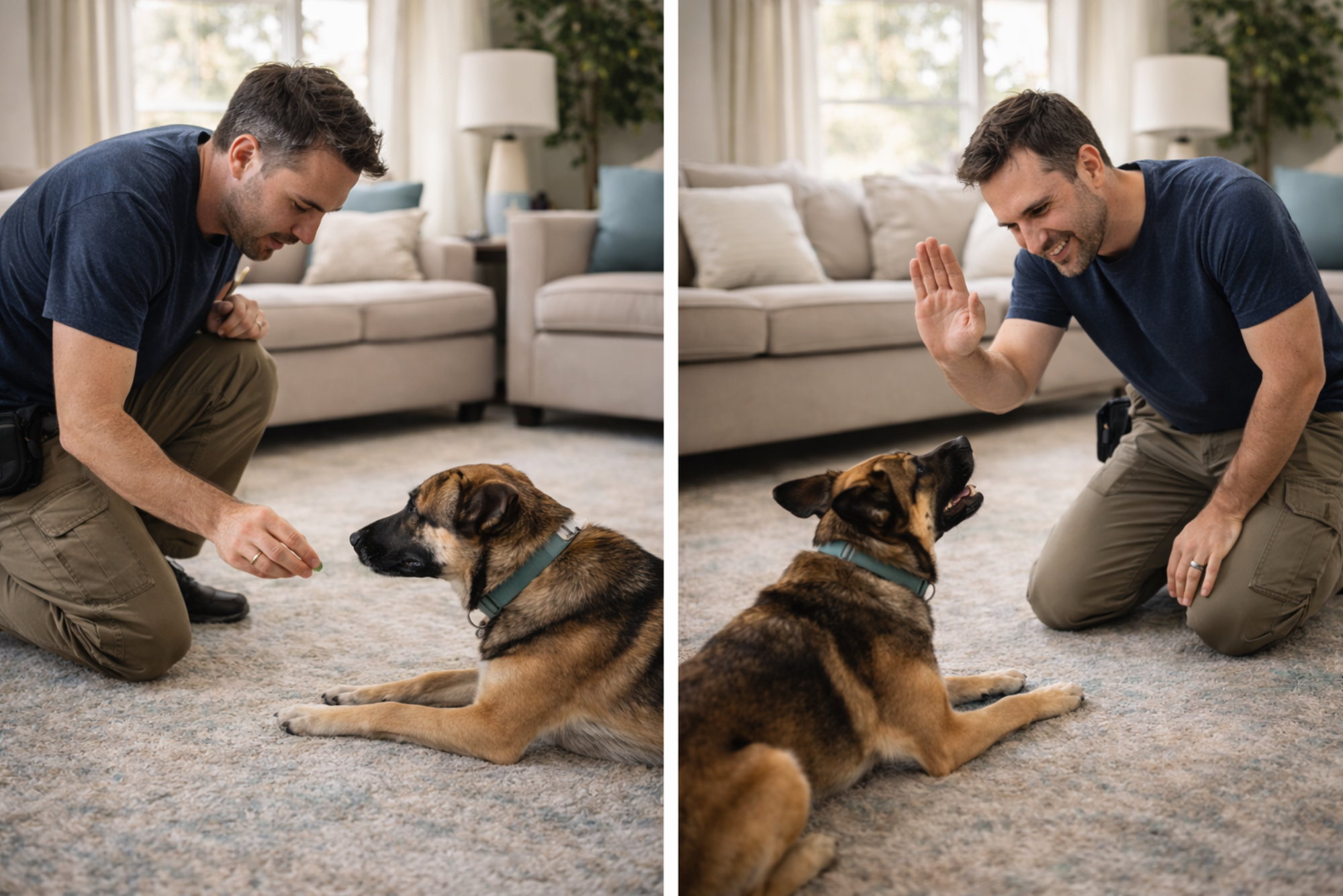
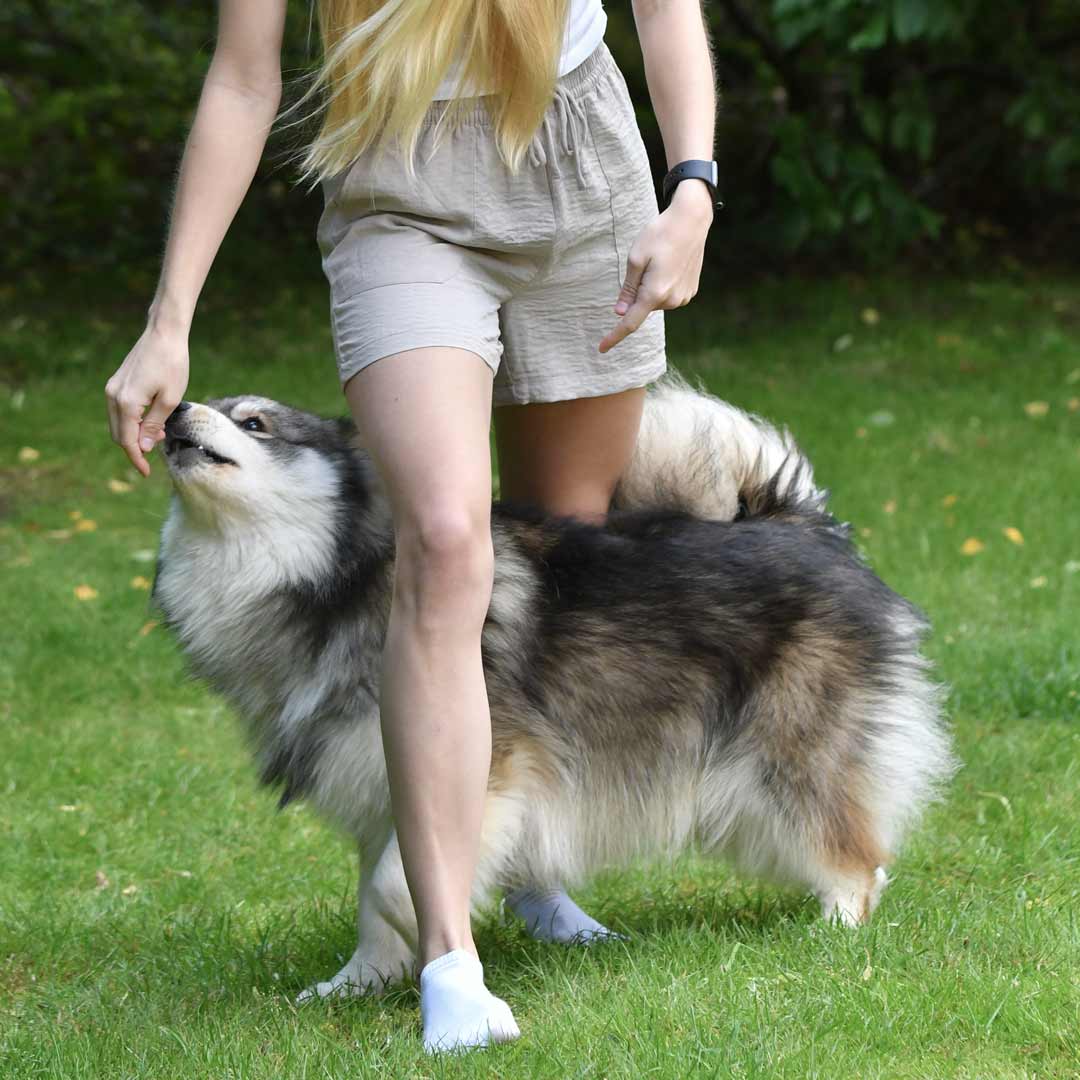
Treats are a common starting point and can be useful for teaching new positions.
The problem appears when the dog works only for food. When the treats disappear, so does the obedience. This shows the dog is performing for a payout, not because they understand or respect the command.
Practical takeaway: Treats should be temporary. Use them to teach, then fade them out so your dog performs reliably even when nothing is in your hand.
Why Play Is a Powerful Motivator
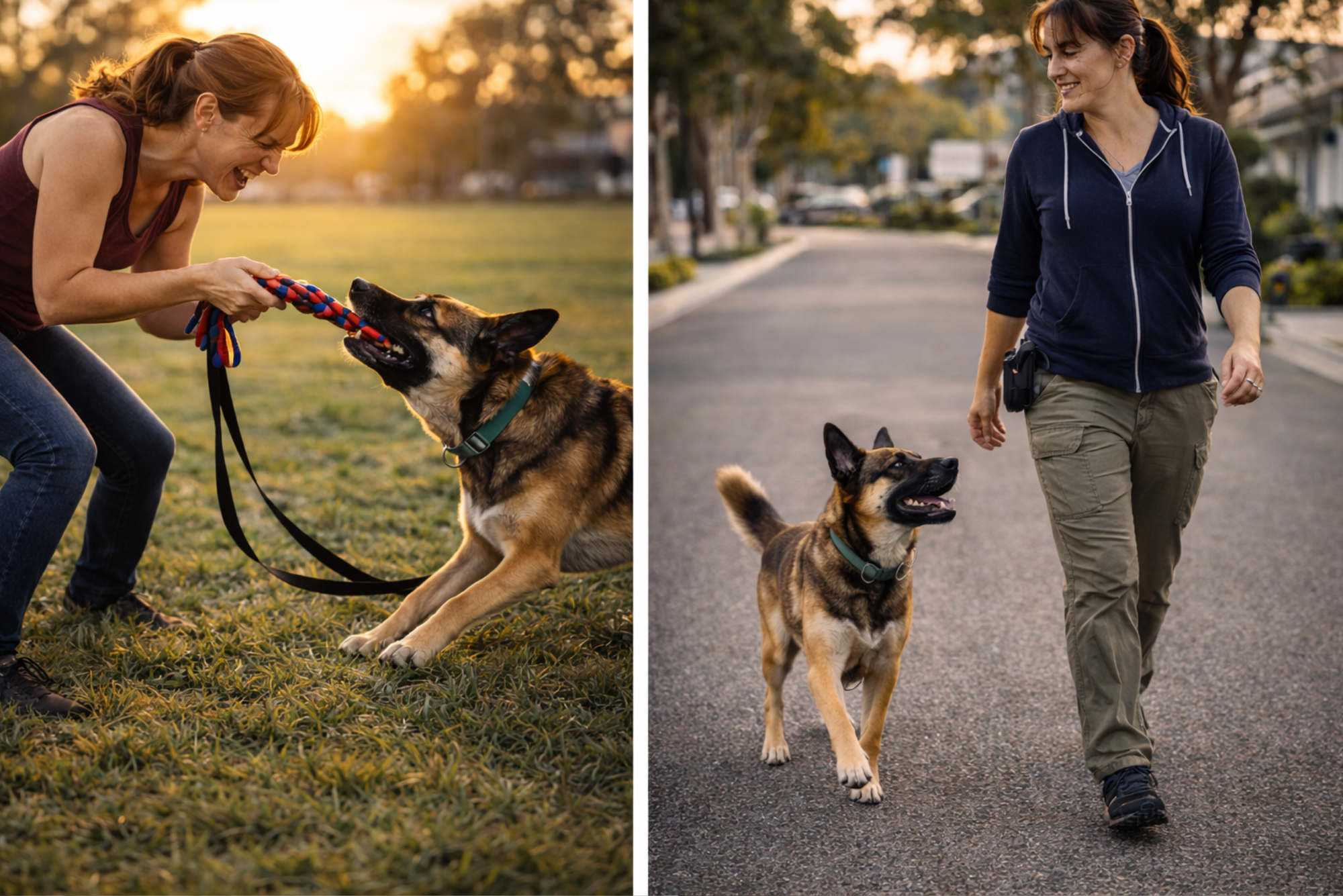
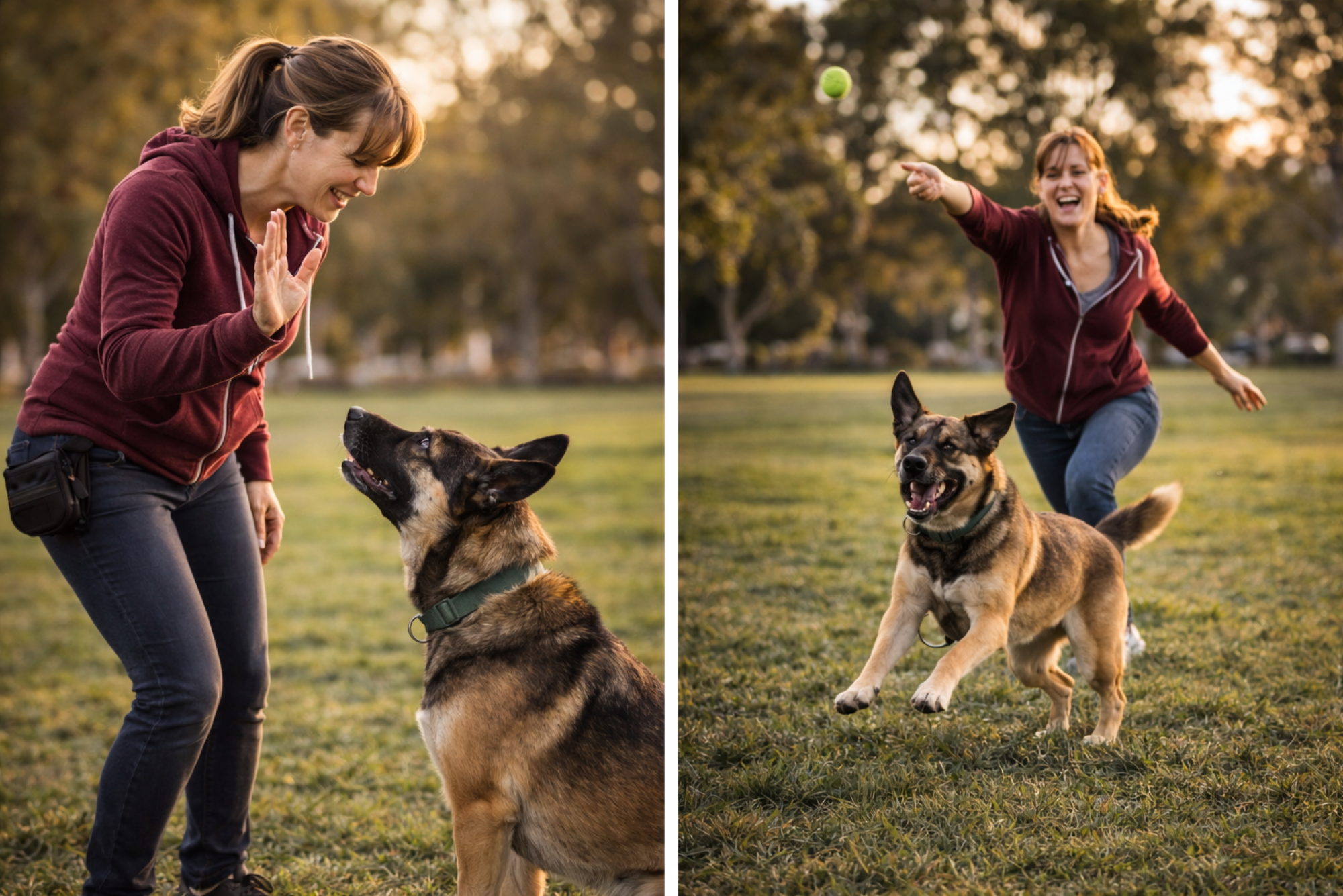
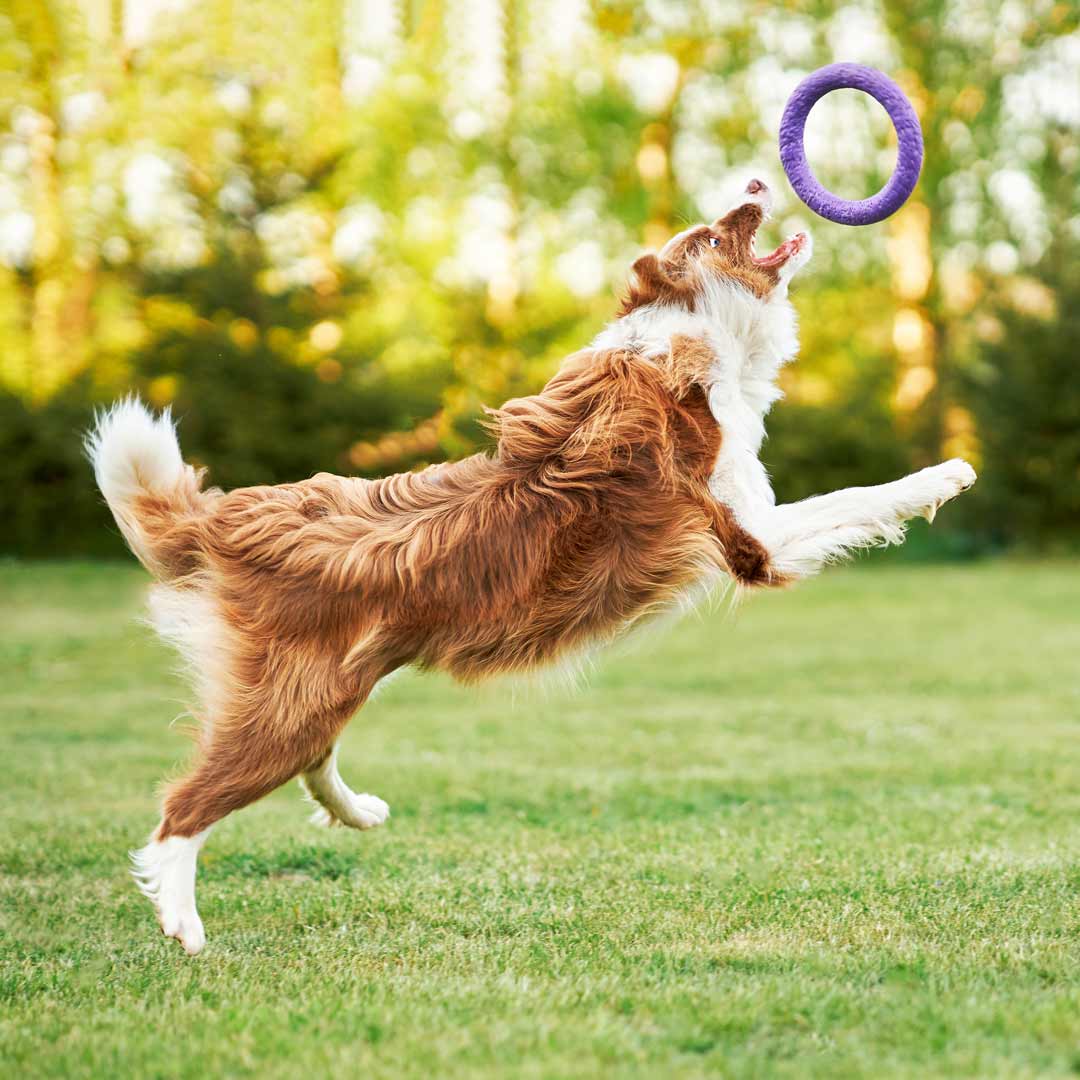
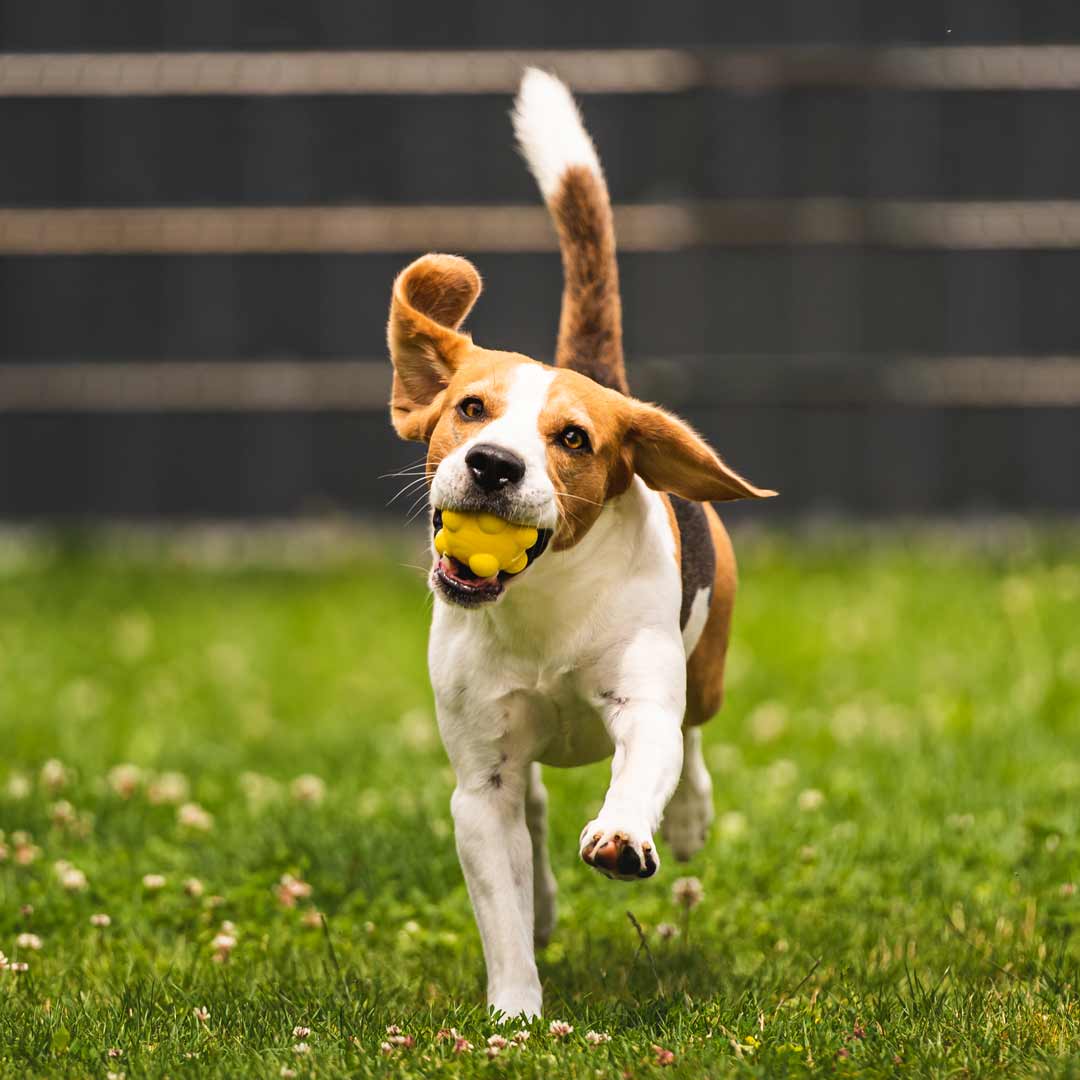
Play creates engagement, increases drive, and strengthens the bond between you and your dog. It’s a universal reward system that works for all dogs.
Play examples:
Good play is structured. The dog must follow rules—no biting your hand, release when told, wait when cued. Both you and the dog should have moments of victory. This makes play a strong, repeatable motivator.
How to Build a Strong Motivational System
Use these steps to reinforce behavior in clear, simple ways:
When to Work With a Trainer
If your dog loses interest, shuts down, becomes over-excited, or won’t follow commands without food, a motivational system may need adjustment. A professional can help you balance rewards and structure so training becomes reliable in the real world.
Local Dog Training Support in Orange County
If you’re in Huntington Beach or anywhere in Orange County, our team at Beachside can guide you through building a strong motivation system for your dog.
Next Steps
If you’d like help creating reliable training that lasts, our Beachside trainers are here to support you.
• Still not sure what your dog needs? Visit our Dog Training FAQ to learn what kind of results to expect and how long solid obedience takes.
• Contact our Beachside team and we’ll help you choose the right training program for your dog.
Learn & Explore More
• Read our full Dog Training Services Guide to see how we build real-world obedience and motivation in Huntington Beach and Orange County.
• For dogs that need motivation and focus around real-world distractions, explore our Group Obedience Classes.
• Visit our Private Dog Training page to get one-on-one help building a balanced motivation system for your dog.